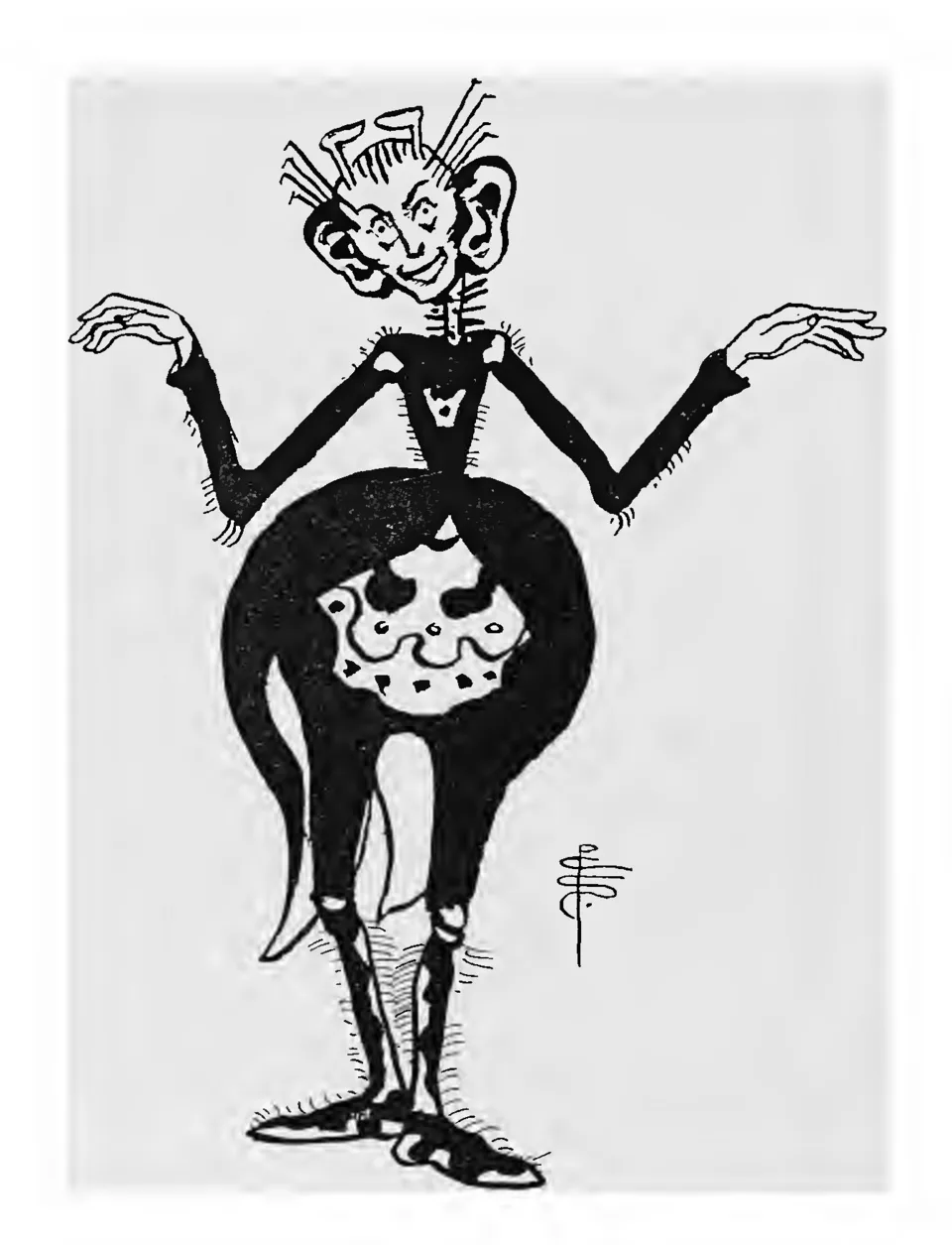
Anansi
Spider-trickster son of Nyame and Asase Yaa; the most-narratively-developed figure of the Akan pantheon. Math-clean deity-deity → deity classification (f=1.0). The foundational Anansi-cycle narrative — Anansi acquiring ownership of all stories from Nyame by capturing the python Onini, the leopard Osebo, the hornets Mmoboro, and the dwarf Mmoatia through cunning rather than force — established the term Anansesem ("Anansi-stories") as the canonical Akan word for traditional folk-narrative. The pot-of-wisdom narrative encodes a structurally-distinctive Akan epistemological humility: even the trickster-deity does not possess all wisdom, and the scattering of wisdom from the broken pot establishes the universal-distribution of knowledge across the world. The Anansi-cycle was transmitted through the Atlantic slave trade to the Caribbean, where it survives as the Jamaican Anancy stories, Surinamese Anansi-tori, and Cuban-Caribbean Hermano Araña tales — making Anansi one of the most-widely-distributed African mythological figures in the Americas. The diaspora-transmission preserved the trickster-deity's structural role as cunning-over-strength figure that resonated with the slavery-era resistance ethos.
Parentage
Children
Domains
- trickery
- wisdom
- storytelling
Powers
- outwits stronger creatures through cunning rather than force
- holds ownership of all tales, won from Nyame
- Shapeshift between spider and man
Epithets
- Kwaku Ananse Anansi the Wednesday-born — his standard day-name (kradin) formR. S. Rattray, Akan-Ashanti Folk-Tales (1930) (secondary)
- Ɔkwaku Ananse Ananse, the one born on WednesdayWikipedia, 'Anansi'; Britannica, 'Ananse' (secondary)
Relations
- sibling: BiaFull sibling; shares the same complete attested parentage.
- sibling: TanoFull sibling; shares the same complete attested parentage.
- spouse: AsoRattray, Akan-Ashanti Folk-Tales (1930) (primary)
- father of: NtikumaRattray 1930; the pot-of-wisdom narrative (primary)
Sources
- existence: Rattray, Ashanti (1923) Ch. 12 — foundational Anansi-cycle (primary); Peggy Appiah, Anansi the Spider: Tales from an Ashanti Village (1972) (primary); Caribbean diaspora corpus — Jamaican Anancy stories (Marcus Garvey collections); Surinamese Anansi-tori (primary)