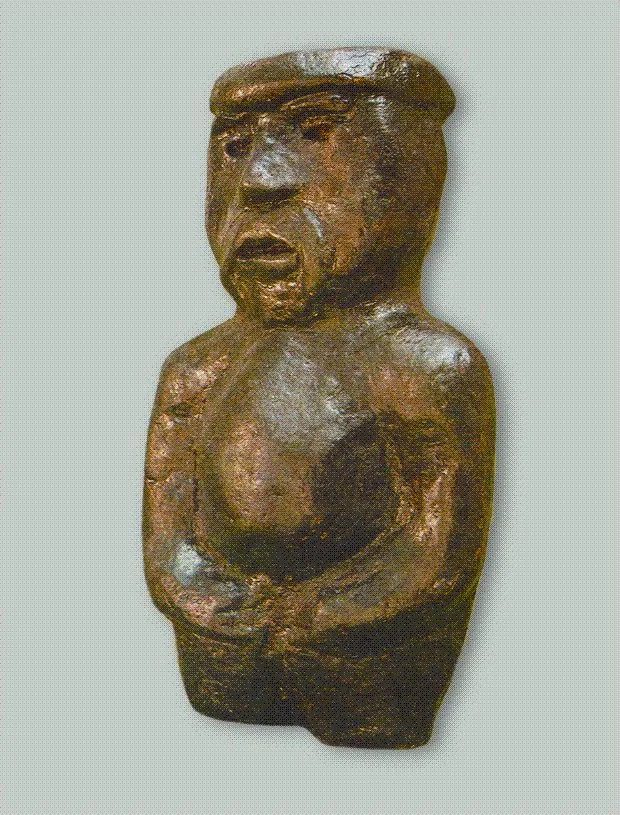
Pihampar, patron of livestock and lord of wolves
Pihampar is the Chuvash patron of livestock and the master of the wolves. His name is a borrowing of New Persian payghambar, 'prophet' or 'message-bearer', taken in through Tatar mediation as part of the Islamic layer of Chuvash religious vocabulary; in Chuvash usage the prophetic figure became a heavenly herdsman and a giver of human qualities. He is titled the 'lord (khan) of the wolves' (kashkăr huçi), and prayers ask him to calm his 'dogs' — the wolves — so that they do not carry off the cattle. Beyond protecting the herds, he is said to endow people with good characteristics and to send prophetic dreams and visions. He is consistently placed among the attendant powers serving the supreme god Tură. His name belongs, with Kiremet, to the small group of Chuvash divine names that scholars trace to Arabic and Persian originals.
Domains
- livestock and herds
- wolves and predators
- endowment of human qualities
Powers
- to command the wolves and hold them back from the herds
- to bestow good qualities and prophetic dreams upon people
Epithets
- kashkăr huçiSalmin, Anton K. Sistema religii chuvashey [The System of the Chuvash Folk Religion]. St. Petersburg: Nauka, 2007. (secondary)
Relations
- subordinate to: Tură, the supreme heaven-god and creatorPihampar guards the herds and gives qualities to people as an attendant power within the pantheon headed by the supreme god Tură.Salmin, Anton K. Sistema religii chuvashey [The System of the Chuvash Folk Religion]. St. Petersburg: Nauka, 2007. (secondary)
Sources
- Pihampar is the Chuvash heavenly patron of livestock and master of wolves, a giver of good qualities and prophetic dreams whose name derives from the Persian word for 'prophet'.: Dallos, Edina. "The Arabic and Persian Layer of Names of Chuvash Mythical Creatures." In Historical Linguistics and Philology of Central Asia, ch. 25. Leiden: Brill, 2021. (secondary); Salmin, Anton K. Sistema religii chuvashey [The System of the Chuvash Folk Religion]. St. Petersburg: Nauka, 2007. (secondary)